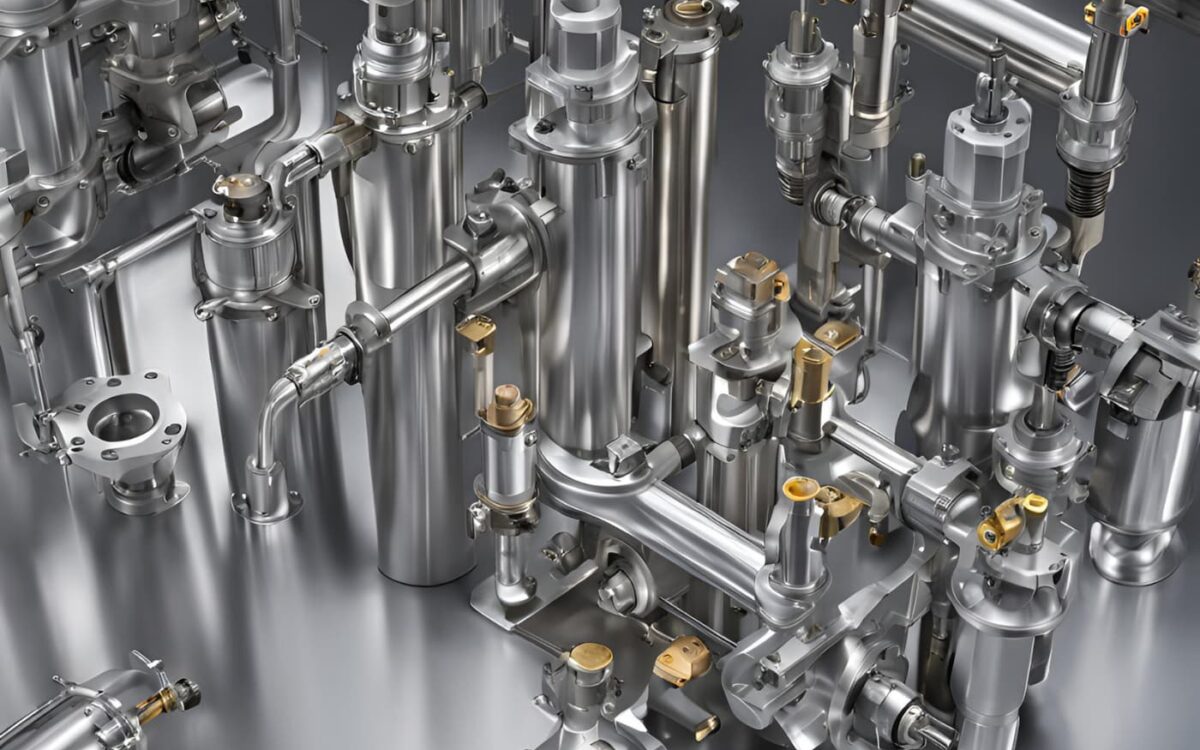
When it comes to ensuring that heating, ventilation, and air conditioning (HVAC) systems work at peak performance, several key components come into play. Among the most crucial are CCV valves, which control the flow of air and fluids within the system. These valves are fundamental for maintaining the efficiency of HVAC systems, helping regulate temperature, reduce energy waste, and maintain the comfort of indoor environments.
How CCV Valves Work
At the heart of the HVAC system, CCV valves play a vital role in controlling the movement of air and fluids. The system relies on various sensors to detect temperature and pressure changes, sending signals to the CCV valves to make adjustments. When the temperature in a space rises or falls outside of the set parameters, the valve either opens or closes to regulate the flow of coolant or air, maintaining a stable climate within the building.
Types of CCV Valves
1. Two-Way ValvesTwo-way CCV valves are the most basic type and function as open or closed mechanisms. They control the flow of fluid in one direction, allowing or blocking passage based on the system’s demands. These valves are ideal for simple HVAC systems that do not require extensive modulation.
2. Three-Way ValvesThree-way CCV valves offer greater flexibility by allowing fluid to flow in two directions. These valves are typically used in more complex HVAC systems that require more precise control over fluid distribution. They can be used to mix fluids or divert flow as needed.
3. Pressure-Independent Control Valves (PICVs)PICVs are an advanced type of CCV valve designed to maintain consistent pressure within the system. These valves automatically adjust the flow rate to match the system’s demand, regardless of fluctuations in pressure. PICVs are ideal for large commercial HVAC systems where pressure variations can lead to inefficiency.
Benefits of Using CCV Valves in HVAC Systems
1. Better Climate ControlCCV valves contribute to more stable indoor climates by allowing precise control over temperature regulation. This leads to improved comfort levels, whether in homes, offices, or industrial settings.
2. Increased System LongevityBy reducing strain on the system through controlled operation, CCV valves help extend the life of HVAC systems. This is particularly important for large-scale systems in commercial buildings, where regular maintenance can be costly and time-consuming.
3. Lower Energy CostsThe ability of CCV valves to regulate airflow and fluid distribution means that HVAC systems operate more efficiently. This results in lower energy consumption and reduced utility costs, which can lead to significant savings over time, especially in energy-intensive environments.
4. Environmentally FriendlyReducing energy consumption through the use of CCV valves not only benefits building owners financially but also has a positive impact on the environment. Lower energy use means reduced carbon emissions, contributing to a greener and more sustainable operation.
How to Choose the Right CCV Valve for Your System
1. System RequirementsBefore selecting a CCV valve, it s crucial to understand the specific requirements of your HVAC system. This includes the type of fluid or air being controlled, the pressure levels within the system, and the overall size of the system.
2. Valve TypeChoose between two-way, three-way, or pressure-independent valves based on the level of control and precision required for your system. For larger or more complex systems, pressure-independent valves may offer the best balance of performance and efficiency.
3. Material ConsiderationsCCV valves are available in a range of materials, including brass, stainless steel, and plastic. The right material will depend on the specific conditions of your HVAC system, including the type of fluid being controlled and the operating environment.
4. Installation and Maintenance RequirementsConsider how easy the valve will be to install and maintain. Valves that are difficult to access or service can lead to higher maintenance costs and system downtime, so it s important to choose one that fits your operational needs.
CCV Valves and Smart HVAC Systems
As HVAC technology continues to evolve, CCV valves are increasingly being integrated into smart building systems. These systems use sensors and automation to monitor and adjust temperature, humidity, and airflow in real time. By incorporating CCV valves into these systems, building operators can ensure even greater efficiency and comfort while reducing energy consumption.
Conclusion
CCV valves are indispensable for the efficient operation of HVAC systems, playing a key role in regulating temperature, improving energy efficiency, and ensuring overall system longevity. Whether in residential, commercial, or industrial settings, these valves are crucial for maintaining a balanced and comfortable indoor climate. By selecting the right CCV valve and ensuring regular maintenance, building owners can optimize their HVAC systems and enjoy the benefits of lower energy costs and enhanced system performance.