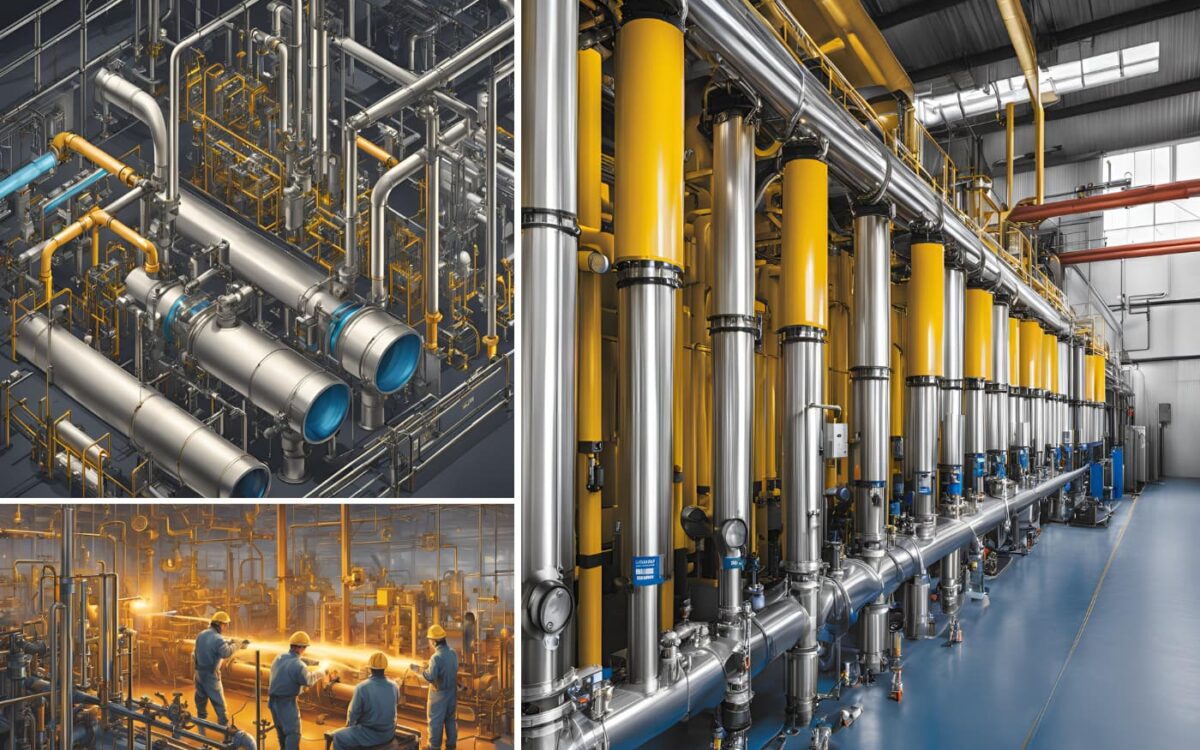
A well-designed compressed air piping system is essential for efficient operation in industrial, commercial, and even residential applications. Compressed air systems power many tools, machinery, and processes, making them an integral part of a facility s daily operations. However, choosing the right compressed air piping system can be challenging, especially with the variety of materials, designs, and sizes available. Selecting the wrong system could lead to inefficiencies, increased energy costs, and maintenance issues.
Key Factors to Consider When Choosing Compressed Air Piping
The first consideration when selecting a compressed air piping system is the air pressure requirement of your facility. Different tools and machinery may require varying levels of pressure, so understanding these needs will help determine the appropriate pipe size and material. Higher air pressure demands will require stronger piping materials to prevent leaks and pressure drops.The volume of compressed air your facility uses is another key factor. Larger facilities with higher air consumption will need a system that can handle greater volumes of air without sacrificing efficiency. This is important for maintaining consistent performance across all equipment.
Several materials are available for compressed air piping, each with its advantages and drawbacks. The most common materials include:
- Aluminum: Lightweight, corrosion-resistant, and easy to install. It is an excellent choice for long-lasting systems and is ideal for clean air delivery.
- Stainless Steel: Extremely durable and resistant to corrosion, especially in harsh environments. Stainless steel is often used in facilities with specific hygiene or high-temperature requirements.
- Copper: Known for its smooth interior surface that minimizes friction, copper is a good choice for maintaining consistent airflow. However, it is more expensive and harder to install than other materials.
- Plastic (PVC, CPVC): While plastic is cost-effective and easy to install, it s not suitable for high-pressure applications. Over time, it may degrade or crack, leading to leaks and reduced efficiency.
- Black Iron/Steel: This traditional option is strong and durable but prone to rust and corrosion, which can contaminate the compressed air. It also requires more maintenance over time.
Material Considerations for Long-Term Performance
The material you choose for your compressed air piping system will impact not only its performance but also its longevity. For long-term durability and efficiency, consider the following:
1. Corrosion ResistanceCorrosion can compromise the integrity of your compressed air piping system, leading to leaks, contamination, and higher maintenance costs. Materials like aluminum and stainless steel offer excellent corrosion resistance, making them ideal for long-term use in harsh environments.
2. Temperature ToleranceIf your facility operates in extreme temperatures or if the compressed air system is subject to high temperatures due to the type of equipment used, you ll need a piping material that can withstand these conditions. Stainless steel and copper are known for their high-temperature tolerance.
3. Installation CostsWhile materials like aluminum and stainless steel may have a higher initial cost, they require less maintenance and offer better long-term performance compared to cheaper options like plastic or black iron. Consider the total cost of ownership when making your decision.
The Importance of Air Quality in Compressed Air Systems
Compressed air quality is a critical factor for many industries, particularly those involving sensitive machinery, food and beverage processing, or pharmaceuticals. Contaminants in the air, such as oil, dust, or moisture, can affect product quality and damage equipment.
1. Dryers and FiltersTo ensure clean air, compressed air piping systems should be equipped with dryers and filters. These devices remove moisture and particles from the air, improving overall system performance and protecting downstream equipment.
2. Corrosion and ContaminationSelecting corrosion-resistant materials like aluminum or stainless steel helps prevent contaminants like rust from entering the compressed air. Clean, dry air is essential for ensuring that the system runs efficiently and extends the life of tools and machinery.
The Benefits of Properly Sized Piping
Choosing the correct pipe size for your compressed air piping system offers numerous benefits:
- Consistent Airflow: Properly sized pipes ensure that air is delivered efficiently to all points of use, minimizing pressure drops and improving system performance.
- Reduced Energy Costs: Optimized piping reduces the energy needed to transport air, lowering overall operating costs.
- Improved Equipment Performance: Adequate airflow leads to better performance from machinery and tools, reducing the risk of damage or breakdowns.
Conclusion
Selecting the right compressed air piping system for your facility requires careful consideration of factors such as material, size, airflow requirements, and long-term performance. By understanding the unique needs of your facility and choosing a system that offers durability, efficiency, and scalability, you can ensure optimal performance for years to come. A properly designed compressed air piping system not only enhances productivity but also contributes to significant energy savings and cost reductions.