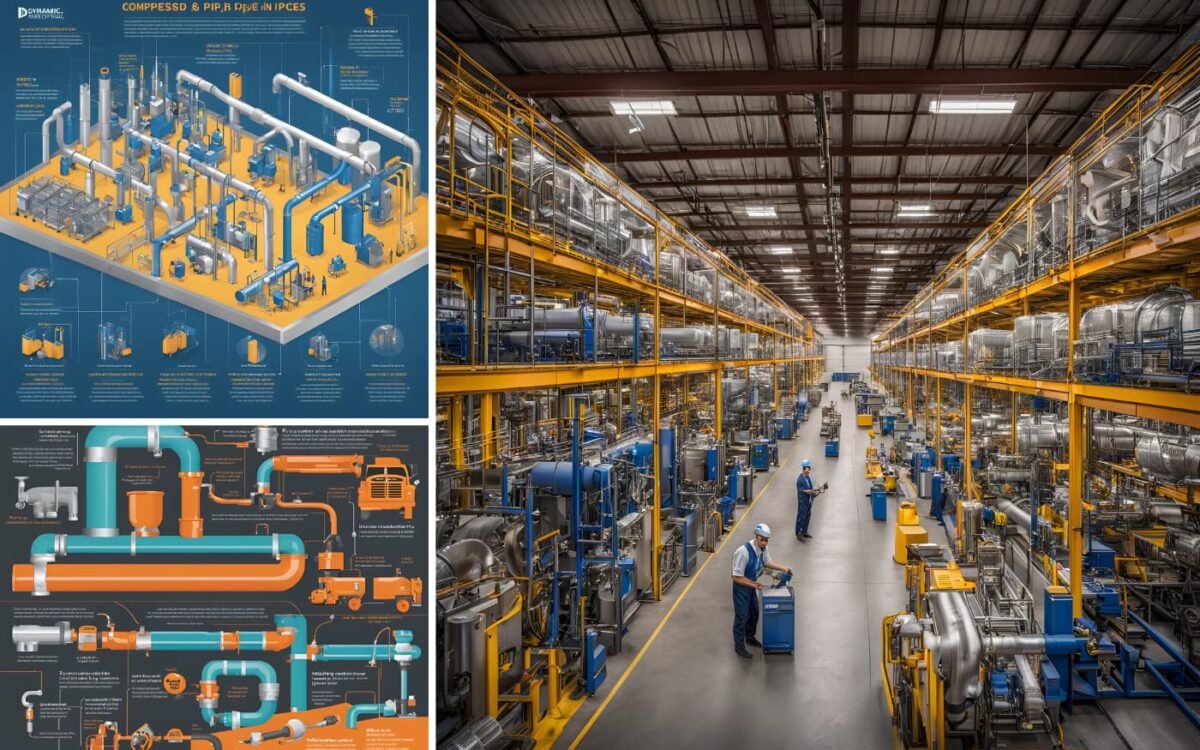
Choosing the right supplier for your compressed air piping system is crucial for the long-term success and efficiency of your operations. The reliability, performance, and quality of the piping directly impact the performance of compressed air systems, which power tools, machinery, and equipment in industries across the globe. Therefore, finding the right compressed air pipe suppliers who can meet your specific needs is key to ensuring system durability, energy efficiency, and low maintenance costs.
Why the Right Compressed Air Pipe Supplier Matters
Selecting the best compressed air pipe supplier goes beyond just finding a provider with affordable pricing. It involves evaluating the supplier s ability to provide high-quality materials, excellent customer service, and a broad range of products suitable for your unique system requirements. A reliable supplier helps streamline your installation process, offers post-installation support, and can even provide expert consultation on optimizing your compressed air system.
Key Factors to Consider When Choosing a Compressed Air Pipe Supplier
- Quality of MaterialsThe material quality of compressed air pipes is fundamental to the performance and longevity of your system. Suppliers should offer piping made from high-grade materials such as aluminum, stainless steel, or high-performance plastic, all of which resist corrosion and maintain durability under high pressure. Ask for material certifications to ensure that the supplier’s offerings meet industry standards for performance and safety.
- Product RangeA good supplier should offer a broad range of piping options. This includes different materials like aluminum, steel, copper, and even plastic options, each suited for different applications. The more comprehensive the product line, the more likely you are to find the perfect match for your facility s needs, whether you require piping for a small operation or an extensive, complex system.
- Customization OptionsEvery facility has unique requirements for its compressed air system. Look for suppliers that provide customizable solutions. Whether you need a specific pipe length, diameter, or coating, a top supplier should be able to meet these requests without compromising on delivery timelines.
- Technical Expertise and SupportAn experienced supplier should offer more than just products; they should also provide expert guidance. This includes assisting you in choosing the right materials, designing the layout, and troubleshooting potential issues with your system. Working with a supplier who understands the technical details of compressed air systems can save you time and money down the road.
- Availability and Lead TimesWhen you’re installing or upgrading a compressed air system, timing can be crucial. Check the supplier s lead times and stock availability to ensure that your project doesn’t experience unnecessary delays. Suppliers with large inventories and quick delivery options will help keep your operations running smoothly.
Material Considerations for Compressed Air Piping
1. Aluminum PipesAluminum is one of the most popular materials for compressed air piping due to its lightweight, corrosion-resistant nature. It s easy to install and doesn t require heavy maintenance, making it a cost-effective solution for many facilities.
2. Stainless Steel PipesFor industries that operate in harsh environments or require ultra-clean air, stainless steel piping is the top choice. It s strong, durable, and resistant to corrosion, making it ideal for high-pressure systems and locations exposed to extreme conditions.
3. Plastic PipesPlastic piping, such as PVC or CPVC, is a budget-friendly option. However, it’s generally not recommended for high-pressure systems or areas where the air quality must remain clean, as it s less durable and more prone to leaks.
4. Copper PipesCopper offers excellent resistance to corrosion and is commonly used in compressed air systems where smooth airflow is critical. However, copper is more expensive and requires professional installation, making it less popular for large-scale systems.
Customer Support and After-Sales Service
A good supplier provides ongoing support long after the purchase. Whether it s technical assistance, maintenance advice, or warranty services, after-sales support is crucial for ensuring your system continues to perform well.
1. Technical AssistanceEnsure that your supplier offers technical support to help troubleshoot any issues that may arise after installation. This can range from remote support to on-site visits, depending on the complexity of the problem.
2. Maintenance ServicesSome suppliers offer ongoing maintenance services to ensure that your compressed air system operates smoothly. Regular inspections can help identify potential problems before they escalate, reducing the need for costly repairs or downtime.
3. WarrantiesA comprehensive warranty on piping and fittings can save you a significant amount of money if issues arise. Be sure to understand the terms of the warranty and what it covers whether it s defects in materials, installation, or system performance.
Global vs. Local Suppliers: Which is Best?
|
Factor |
Importance |
|
Equipment Lifespan |
Clean air prevents wear and tear on equipment, reducing maintenance costs and downtime. |
|
Product Quality |
Prevents contamination in sensitive industries like food and beverage or pharmaceuticals. |
|
Operational Efficiency |
Clean air ensures optimal performance and reduces energy consumption. |
|
Worker Safety |
Minimizes the risk of explosions, fires, and other safety hazards. |
|
Environmental Impact |
Reduces emissions and waste associated with equipment maintenance and replacement. |
Conclusion
Selecting the right compressed air pipe suppliers is essential for creating a durable, efficient, and cost-effective system. When evaluating potential partners, consider the quality of materials, range of products, energy efficiency, and after-sales support they offer. Whether you choose a global supplier with extensive resources or a local supplier with personalized service, ensure they have a solid reputation and the expertise to meet your facility s specific needs. By partnering with the right supplier, you can create a reliable compressed air system that supports your operational efficiency for years to come.